
Last week, I was proud to introduce and pass a resolution officially recognizing September 23, 2026, as Bi+ Visibility Day in the City of Boston. This action grew directly out of over a year of continuous dialogue—from our Bisexual+ Roundtable to our ongoing work with the Bisexual Resource Center—where residents shared the deeply damaging, daily impact of bi+ erasure.
Today, I am honored to yield this space to guest contributor
Bailey Merlin,
President of the Bisexual Resource Center
for a policy deep dive on why combatting bi+ erasure is essential for our city and how we can build a truly inclusive Boston for all bi+ residents.
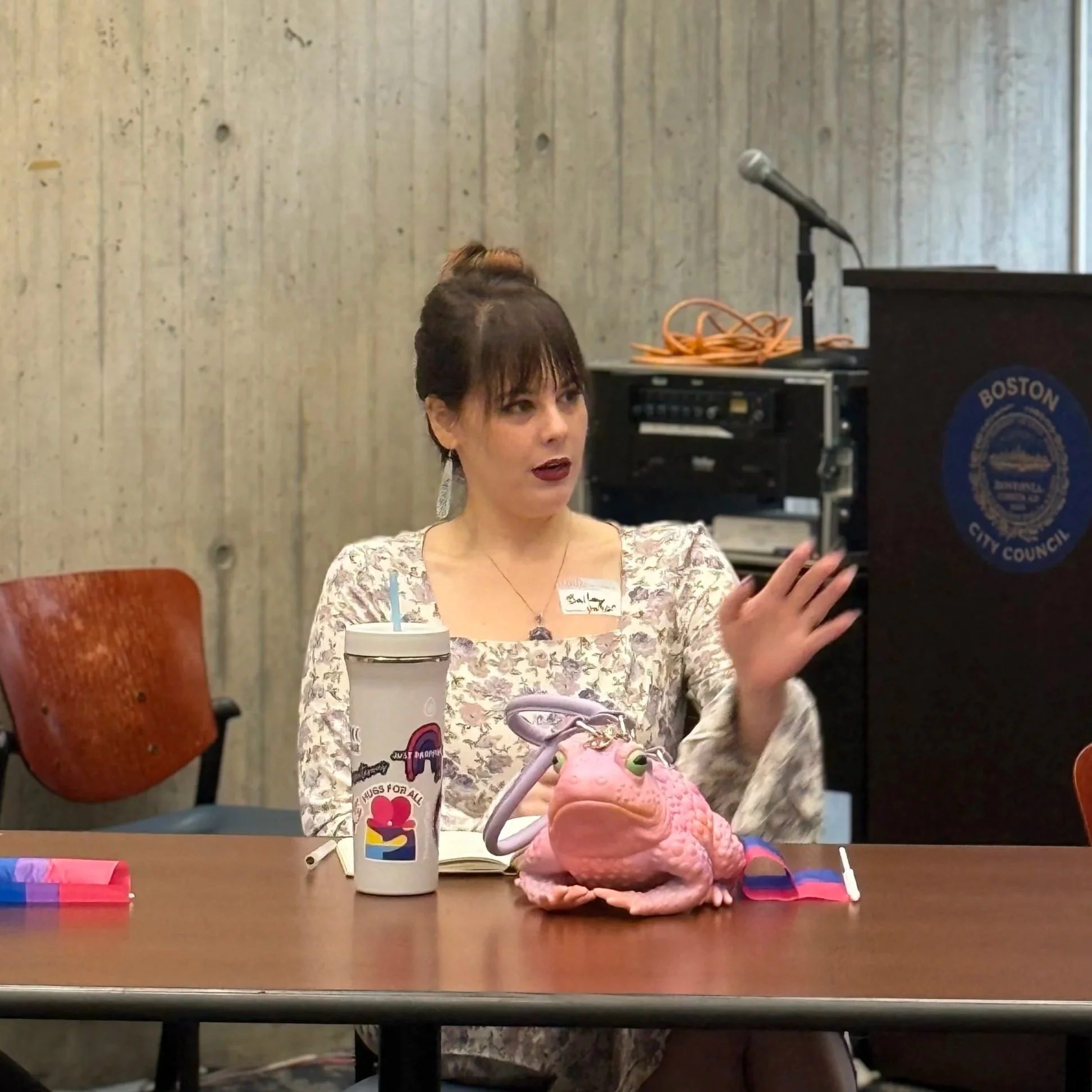
No one should have to prove their identity to receive care or find community. Yet for many bisexual+ people, that is exactly what everyday life demands.
A partner’s gender becomes a reason to question their sexuality. Coming out is dismissed as confusion or attention-seeking. Even in LGBTQIA+ spaces, they may be asked whether they really belong.
September 23 is Bi+ Visibility Day, an opportunity to celebrate our bisexual+ neighbors and confront the barriers that too often leave them unseen.
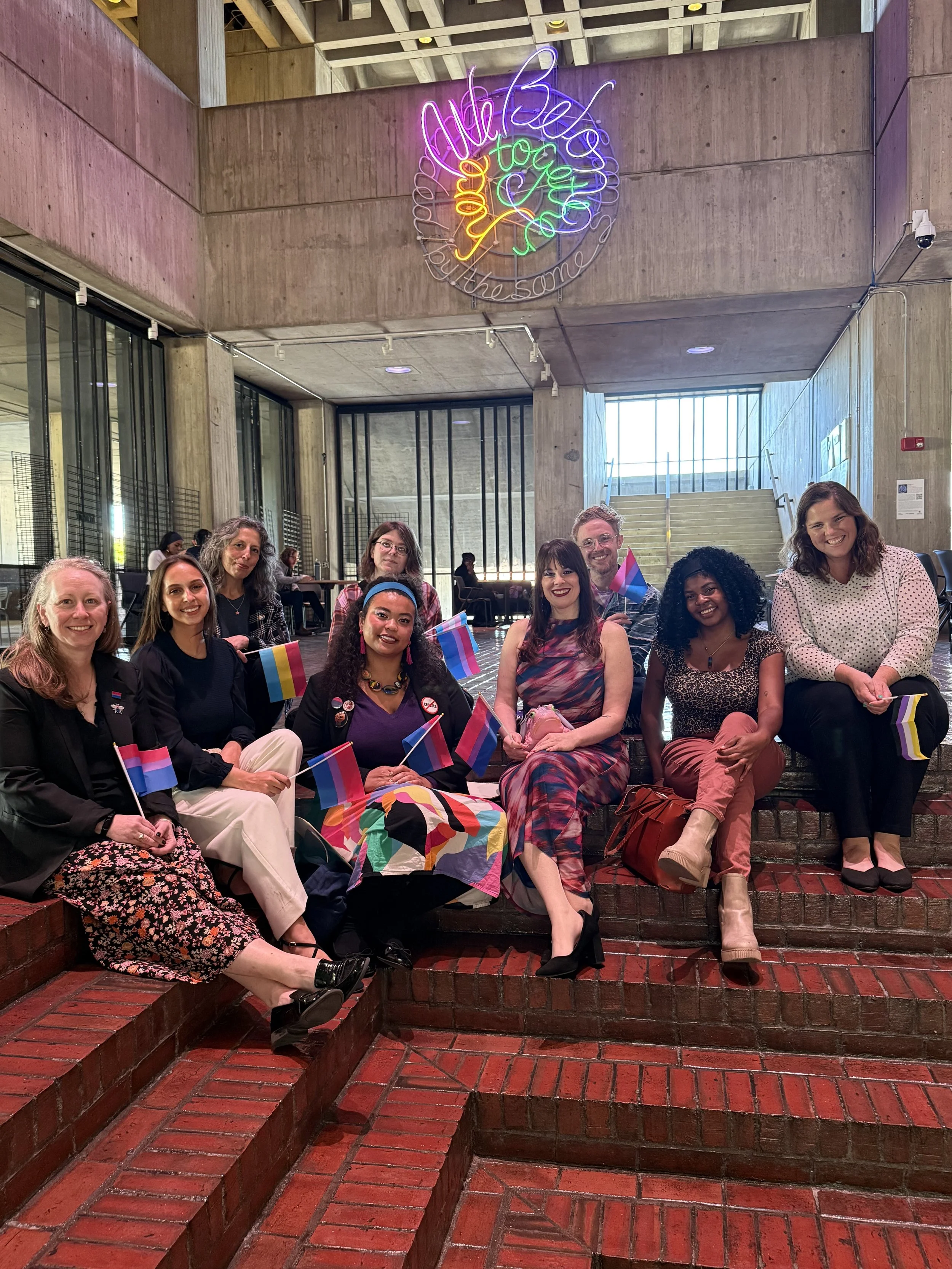
The scale of this community deserves our attention. Gallup’s findings, published in 2026 using 2025 data, show that 5.3% of U.S. adults identify as bisexual, making up more than half of LGBTQ+ adults.
Yet being the largest group within our LGBTQIA+ community has not guaranteed recognition or support.
For Boston, this day should prompt a question:
What does it take to make sure our bi+ residents experience the belonging our city promises?
What Does “Bi+” Mean?
Bi+ is an umbrella term for people who experience attraction to more than one gender. It includes people who identify as bisexual, pansexual, fluid, omnisexual, or other identities describing attraction to multiple genders.
That attraction does not have to happen equally, at the same time, or in the same way. Bisexuality does not exclude transgender or nonbinary people, and bi+ people can be of any gender.
A person’s identity also does not change based on whom they are dating or whether they are in a relationship at all. A bisexual person in a different-gender marriage is still bisexual. So is someone who has never dated, or who has only had partners of one gender.
These distinctions matter because recognition begins with believing people when they tell us who they are.
Why Visibility Still Matters
Bi+ erasure happens when people’s identities are dismissed, rewritten, or left out altogether.
It can sound like telling someone to “pick a side.” It can mean assuming a person is gay or straight based on their partner. It can also happen institutionally, when a program claims to serve the LGBTQIA+ community but never asks whether bisexual+ people’s needs are being met.
Pew Research Center’s 2025 survey found that 47% of bisexual adults said no one in their extended family knew about their identity, compared with 13% of gay or lesbian adults.
People have many reasons for deciding whom to tell. Nobody owes anyone disclosure, and visibility should always be a choice. Our responsibility is to help create conditions where being honest about who you are does not mean risking your safety or your relationships.
That requires challenging stereotypes wherever they appear, including within LGBTQIA+ spaces. Bi+ people already belong in this community. Their inclusion should never depend on whom they love.
The Stakes Include Health & Safety
When we talk about bi+ inclusion, we also need to talk about whether people can get appropriate care and support.
National research makes that urgency clear:
Mental health: In The Trevor Project’s 2025 national survey, published in 2026, 36% of bisexual respondents and 44% of pansexual respondents ages 13–24 reported seriously considering suicide in the previous year, the highest in the survey.
Intimate partner violence: The CDC’s analysis of 2016–2017 data estimated that 69.3% of bisexual women had experienced contact sexual violence, physical violence, or stalking by an intimate partner during their lifetime, compared with 46.3% of heterosexual women.
These findings should direct our attention toward the support people need. A survivor should be able to seek help without encountering stereotypes about bisexuality. A young person should be able to talk about their identity without being told that their feelings are a phase.
Being bi+ is not an illness or a cause for shame.
The Trevor Project emphasizes that elevated suicide risk among LGBTQ+ young people is connected to mistreatment and stigma, rather than something inherent in their identities. Its survey also found substantially lower reported suicide-attempt rates among LGBTQ+ young people living in very accepting communities than among those in very unaccepting communities.
Acceptance matters, and so do the environments we create.
Boston Has a Community Worth Celebrating
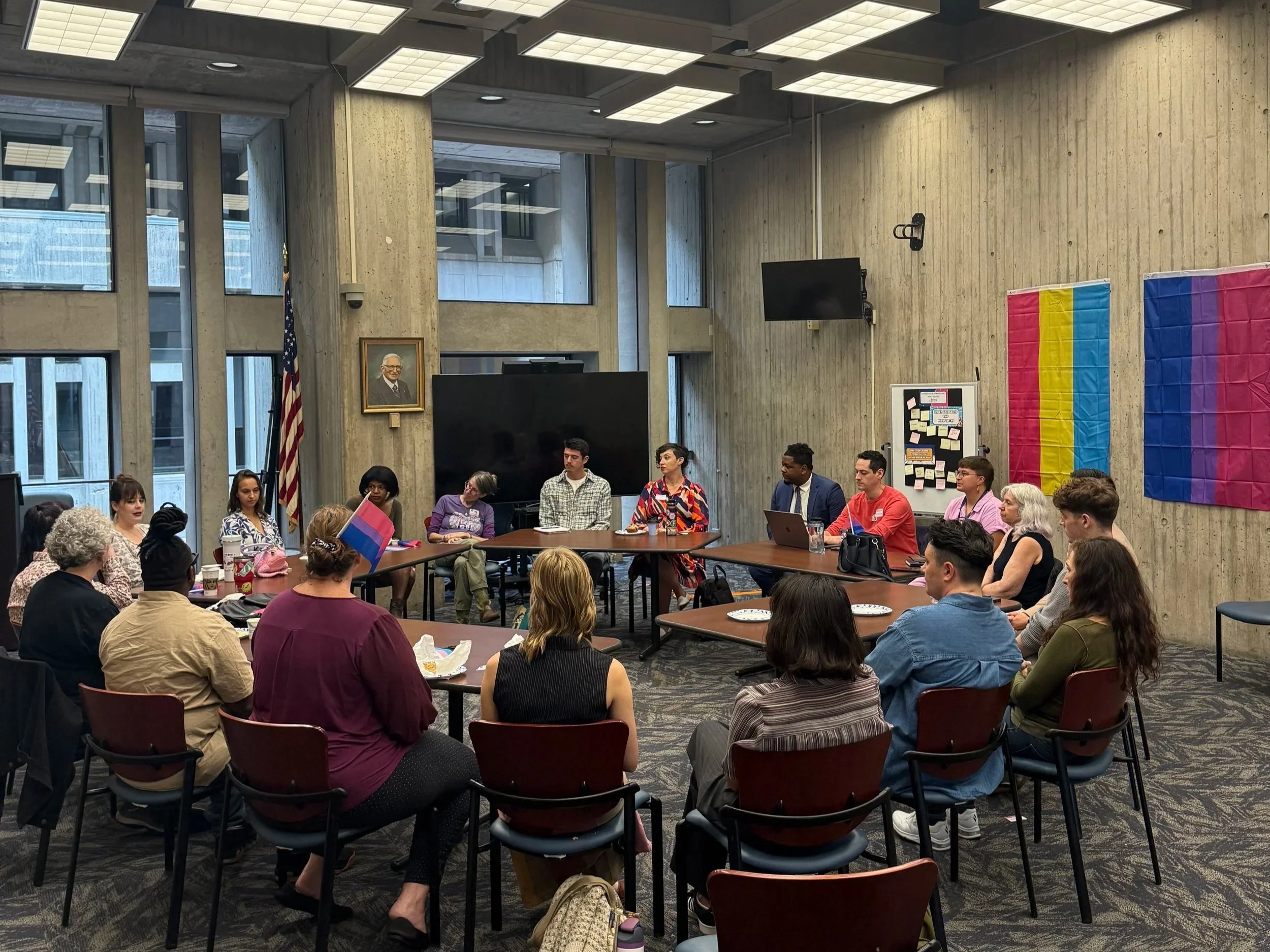
Boston is home to a longstanding bi+ movement. The Bisexual Resource Center, founded in 1985 as the East Coast Bisexual Network, has spent more than four decades connecting people and developing resources for bi+ communities. Its work reaches well beyond our city.
That history deserves celebration, as do the people carrying it forward: the volunteers hosting a first-time attendee, the advocates insisting that bisexual people appear in research, and the community members making room for one another.
Bi+ people deserve spaces where they can experience joy without having to explain or defend themselves. They deserve to see their lives reflected in books and public life. They deserve friendships where coming out brings them closer to others.
Boston can help make that possible by supporting the people and organizations already doing this work.
What Meaningful Support Looks Like
As a city, we should ask whether our commitment to LGBTQIA+ inclusion reaches bi+ residents in practice. That means:
Listening to bi+ residents directly. Their experiences should inform decisions about the services meant to support them.
Making care explicitly bi+ inclusive. Health care and survivor-support providers should be prepared to recognize biphobia and avoid assumptions based on a patient’s partner.
Looking closely at the data. Where information is collected safely and voluntarily, examining bisexual people’s experiences separately can reveal needs hidden within broader LGBTQIA+ findings.
Supporting community spaces. Bi+ organizations need resources to sustain the places where residents find understanding and connection.
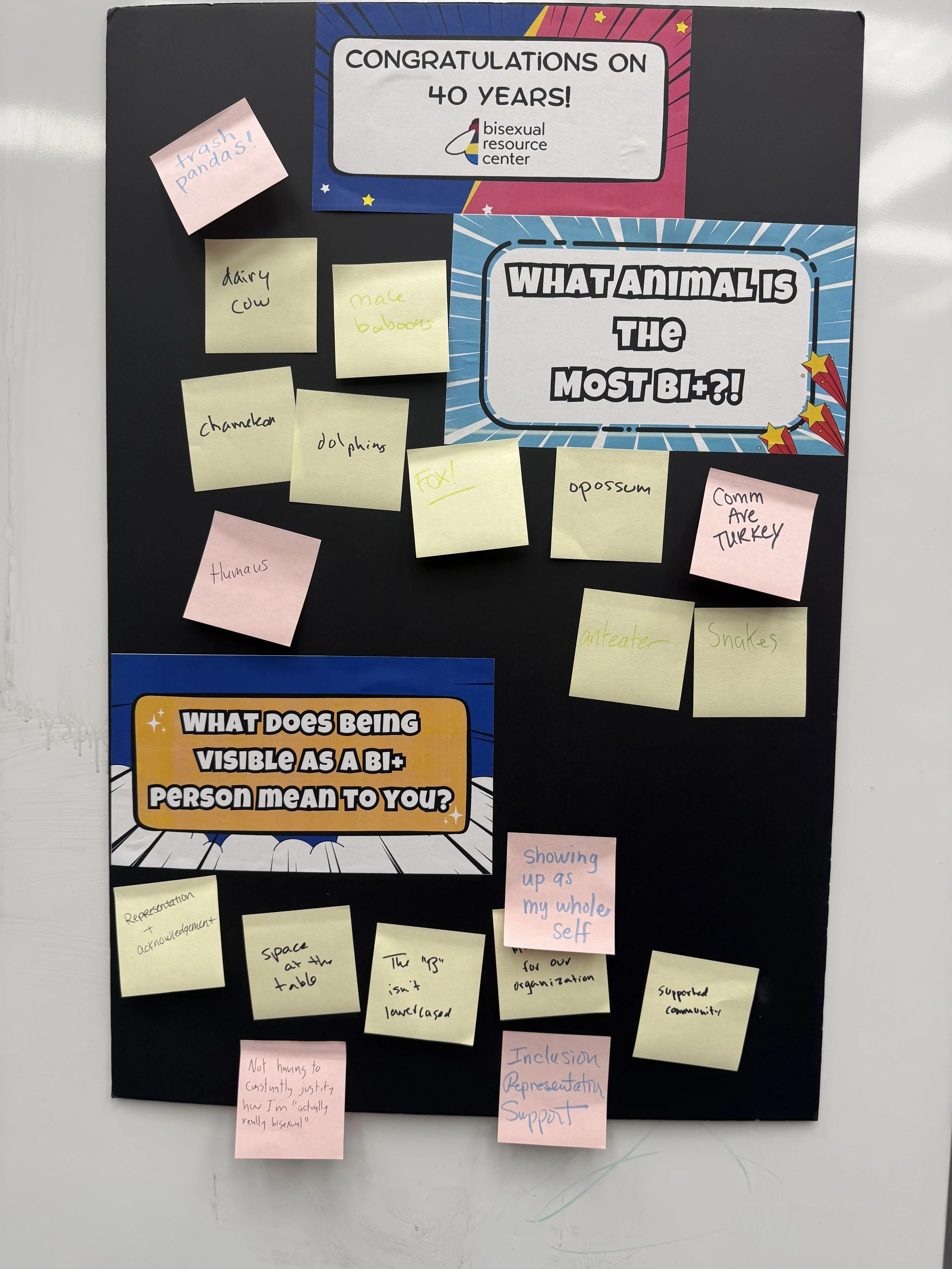
Each of us has a role, too. Believe someone when they share their identity. Challenge a dismissive joke. Welcome bi+ people and their partners into community without making them pass a test of belonging.
