
Shaping the Boston we want: An Intern's Guide to the Budget
Today we’re proud to hand the newsletter reins over to one of our incredible interns, Ameera Suttles for a look at the FY ‘27 Budget through the eyes of a youth Advocate.
You may recognize Ameera from her last Policy Deep Dive on Civic Engagement or her excellent testimony at this past week’s Budget Hearing. Take it away Ameera!
I'm Ameera Suttles, a youth ambassador for Santana’s Youth Force within the office of Councilor At-Large Henry Santana.

It hasn't been long since you last heard from me, but I’m back and ready to dive deep into my experience with the City of Boston’s budget season.
When I first started as a Youth Ambassador and staff intern at City Hall, I didn’t expect to be sitting in on budget hearings, trying to track how millions of dollars are allocated. If I’m being honest, it felt overwhelming at first. It felt like everyone there was already fluent in a concept I’d barely even heard of yet.
But over time, I’ve started to understand that the budget is more than numbers it’s a reflection of Boston’s values. It reveals who gets prioritized, who gets supported, and which communities are seen as worth the investment. Every line item represents real people and real opportunities.
For the first time, I saw how deeply these financial decisions connect to my own life.
Front-Row Seat to Budget Season
Before this internship, the city budget didn’t feel like something that affected me directly. It sounded like complicated language, large numbers, and political conversations that didn’t directly involve me.
But now, a month into my first budget season in Councilor Santana’s office, I see it completely differently.
The budget is about choices, choices that shape people’s everyday lives. It determines whether residents have access to resources, whether programs continue to exist, and whether opportunities remain available for young people. As a student and a young worker, I now understand that the budget isn't separate from me; it actively shapes the path I am able to take.
One thing that still makes me think is how we balance our priorities.
I noticed how much funding and attention is directed toward public safety, and while safety is essential, it made me wonder: Why don’t we treat Youth, Elders, and Community as pillars that deserve that same level of guaranteed investment?
This feels especially important because everything is changing so fast for students right now—especially with things like AI and new technology. It feels like our schools and youth programs should be protected just as fiercely as any other department.
Investing in these career paths today is the only way to keep our passion alive and make sure we’re actually ready for what’s coming next.
Two Minutes on the Clock:
Advocating for Youth Jobs
Of all the sessions I’ve attended, the FY27 hearing for the Youth Engagement & Employment Office (YEO) and Youth Employment & Advancement (YEA) had the deepest emotional impact.
For the first time, I wasn’t just observing—I was directly affected.
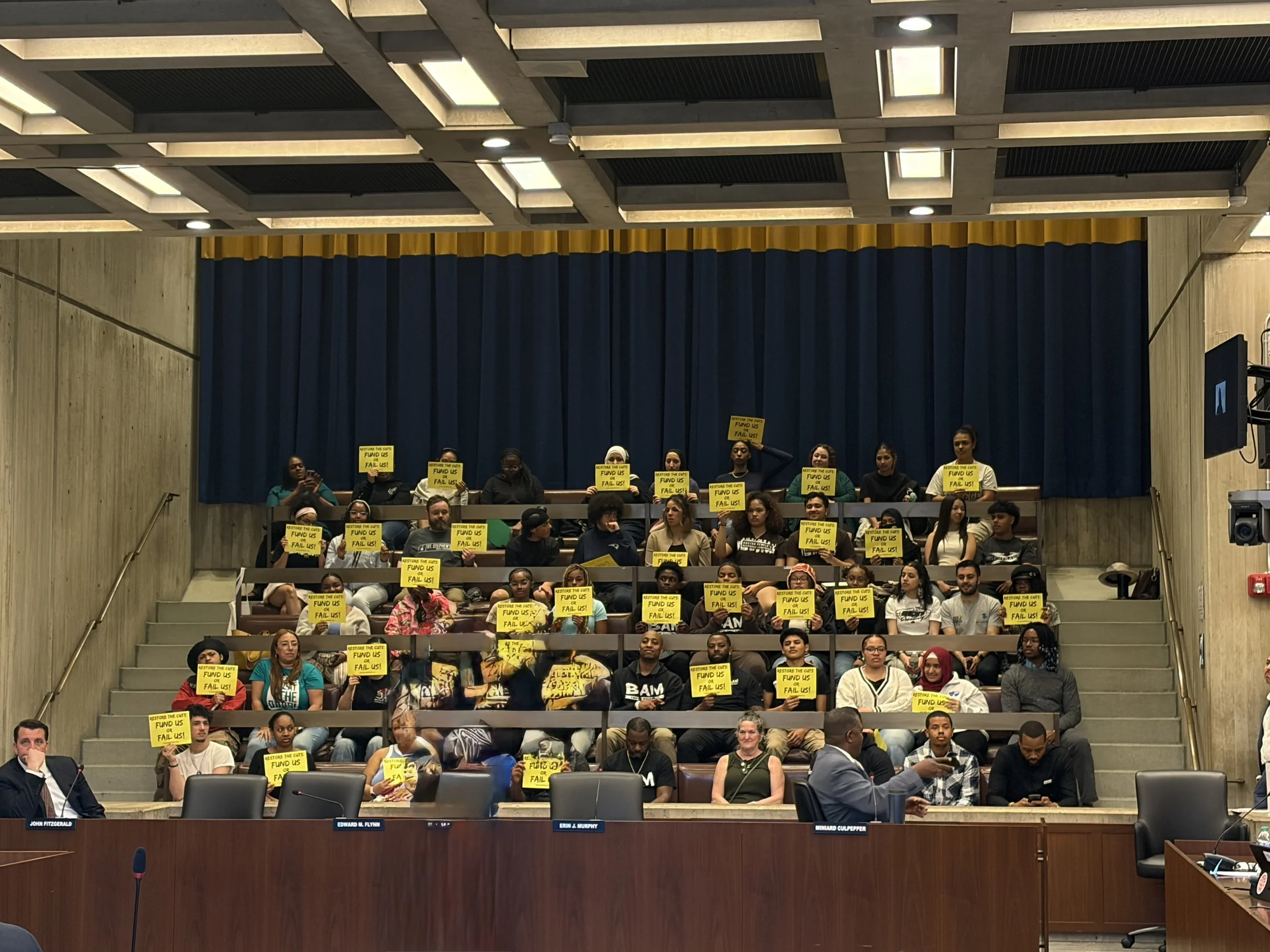
Hearing that funding for in-school youth jobs could potentially be cut or reduced to zero felt deeply personal. Programs like OYEA and SuccessLink are not just line items to me. They are the reason I can pay a large portion of my tuition. They are how I gain real-world experience. They are the reason I am standing in City Hall today.
Speaking at this hearing, I realized how much was at stake—not just for me, but for young people across all of Boston.
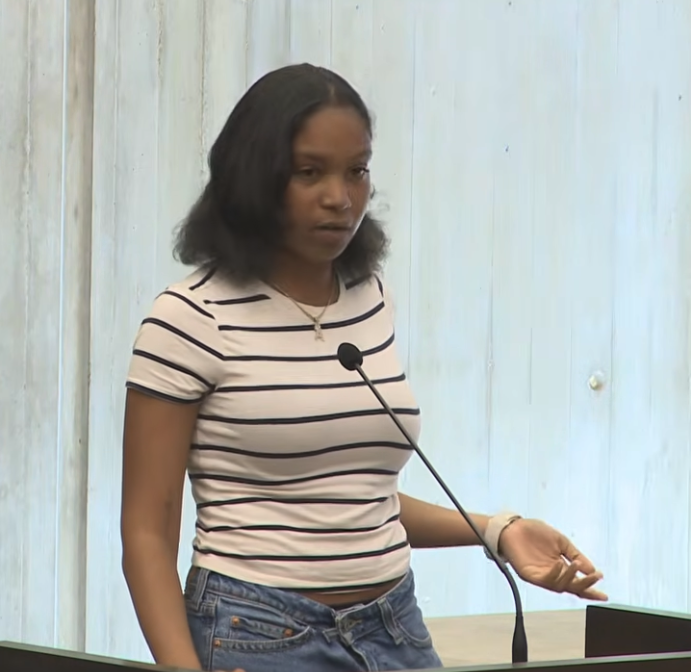
I’ve testified a few times now, but this was the first time I felt my body truly tense up.
I was trying to balance being direct with being respectful, fighting to make every second of my two minutes count. It wasn't theoretical anymore; I was advocating for my own ability to succeed.
I thought of my 15-year-old sister, who is just starting to look for work. It is heartbreaking to think that those opportunities might not be there for her—that she and so many others might have fewer chances to earn an income and explore their interests simply because of a funding decision.
This budget cut shifted my perspective completely.
Advocacy suddenly felt urgent.
Combining my voice with those of the other youth and our mentors filled the room with a heavy, shared frustration that these opportunities were even up for debate. Watching those testimonies gave me goosebumps; it was a reminder that we’re not just fighting for ourselves, but for an entire generation that deserves a space to experiment, fail, and grow.
Advocacy in Action
I’ve also seen how this connects to other parts of the city. On April 17th, at the BPS Academics hearing, I realized that when we invest in schools, we are investing in the curiosity that leads kids to youth jobs.
On April 10th, I had the honor of reading testimony for Oliana, an 8th grader from Conservatory Lab School.
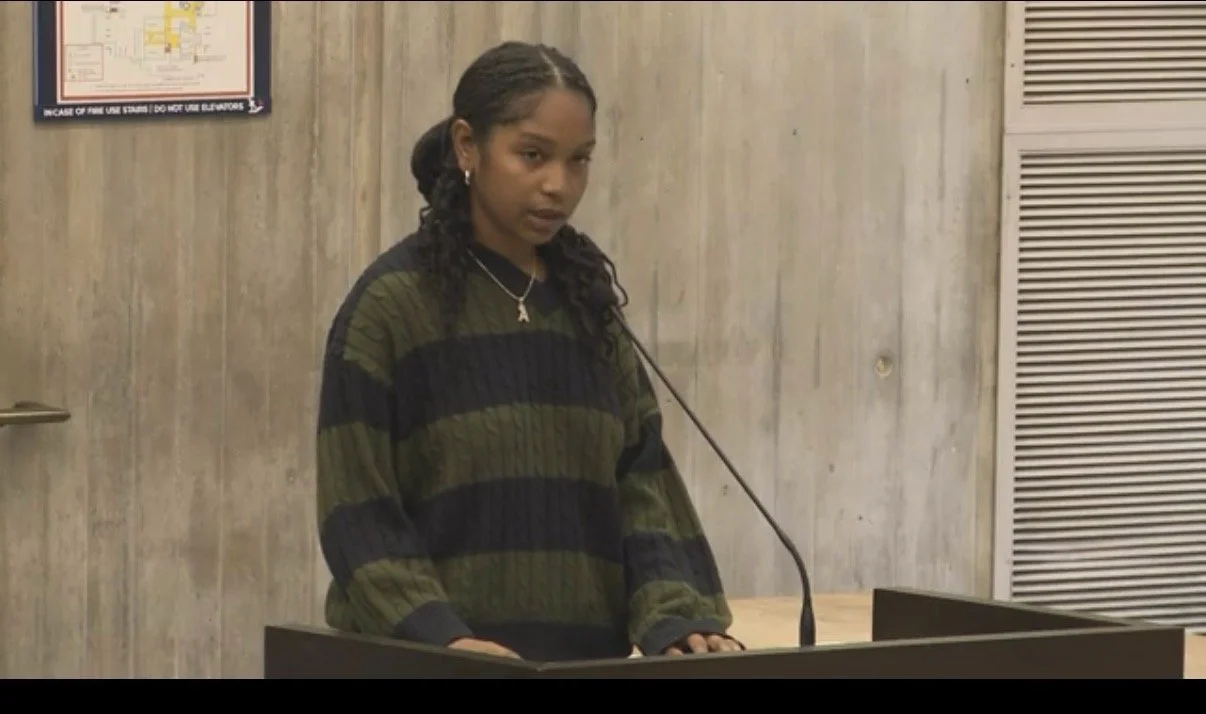
She was passionate about food insecurity and housing but couldn't attend due to school hours. Oliana reminded me of myself at that age curious, motivated, and wanting to understand the world politically, even without formal opportunities to do so.
Standing there sharing her voice, I felt a full-circle moment. In 8th grade, I was just as curious as she is, but I didn't have a formal way to get involved or any real link to what was happening at City Hall.
I was only able to be a resource for Oliana because I had a school-year job that placed me in these rooms.
That is why youth jobs matter. They provide the mentorship and exposure that many young people wouldn’t otherwise have.
Shaping the Boston We Want
Looking around the hearing room, I realized how much my perspective has shifted. Not long ago, I was just another student in Boston Public Schools, completely unaware of the rooms where these decisions were being made or how they reached into my daily life.
I see now how close these decisions really are.
Instead of just being a political debate, these decisions are what actually fund the paths we’re trying to build for ourselves. Being here has shown me that when we as youth—and every resident of this city—get involved, we move from just watching the process to actively shaping the changes we want for our future.
I am looking forward to watching the rest of this budget process unfold and continuing to get involved to share what I want to see funded in the future.
To my peers:
Your voice is a tool, but only if you use it.
I encourage you to get involved, show up to these hearings, and help shape the Boston you want to see in the future.